Blog

Top Renewable Energy DC-DC Converter Manufacturers in China?

Top Renewable Energy DC-DC Converter Manufacturers in China?

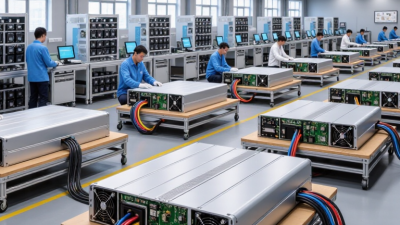
China’s clean-energy sector is expanding across solar, wind, battery storage, and electric mobility. Behind these systems, Renewable Energy DC-DC Converters manage voltage between panels, batteries, and power-control equipment. Their performance affects energy yield, heat, reliability, and maintenance needs. Small components matter. Professor Frede Blaabjerg, a power-electronics researcher, has highlighted the role of power electronics in enabling renewable energy systems. A practical paraphrase of his work is: “Evaluate conversion performance within the complete energy system, not in isolation.” This perspective helps buyers look beyond headline efficiency. A converter operating in a bright laboratory may behave differently inside a hot cabinet, under variable input voltage, or through repeated load changes. This article examines leading Chinese manufacturers of Renewable Energy DC-DC Converters and the factors that distinguish them. It considers product range, efficiency data, thermal design, protection features, customization, production capability, and technical support. Readers should verify specifications, certifications, and test conditions directly with each supplier. Rankings can be useful, but they are never the whole story. A datasheet may omit details that matter in the field. Even a well-reviewed product can be a poor fit for a particular system. The comparison therefore offers a starting point, not a substitute for careful engineering review.
Read more »
Vivienne Hartwood By:Vivienne Hartwood - October 31, 2026
How to Choose Home Automation Power Modules in 2026?

How to Choose Home Automation Power Modules in 2026?

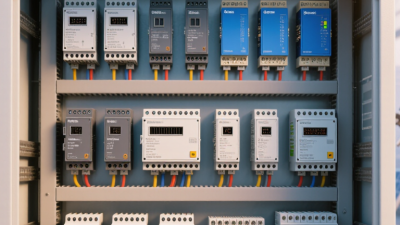
Choosing Home Automation Power Modules in 2026 is no longer a simple wattage decision. These compact devices feed sensors, hubs, cameras, lighting controls, and connected appliances. A weak module can create voltage drops, heat, resets, and confusing network faults. Tom Kerber, Director of Research at Parks Associates, has stressed, “Interoperability is critical to the smart home.” That principle matters when comparing Home Automation Power Modules. A reliable module should match the system’s voltage, current, wiring method, load type, and communication environment. It should also provide documented protection against overload, short circuits, and excessive temperature. Look for credible testing and recognized safety standards, rather than attractive packaging alone. Real installations reveal the difference. A power module mounted inside a warm cabinet may behave differently from one installed in an open utility space. Long cable runs can also reduce delivered voltage. Measure carefully. Do not guess. Compatibility deserves equal attention. A module may support a popular protocol but still perform poorly with a specific controller or dimmer. Check manufacturer documentation, firmware support, standby consumption, and replacement availability. Independent reviews can help, but they are not perfect. The most expensive option is not automatically the safest. Nor is the smallest. Homeowners, integrators, and facility managers should balance electrical capacity, thermal performance, serviceability, and future expansion. That balance can feel tedious. It is still where dependable automation begins.
Read more »
Amelia By:Amelia - October 26, 2026
2026 Top 3 Phase 4 Wire Power Supplies Buying Guide

2026 Top 3 Phase 4 Wire Power Supplies Buying Guide

Choosing reliable 3-Phase 4-Wire Power Supplies in 2026 requires more than comparing wattage and price. Industrial sites, commercial buildings, workshops, and data rooms often face different electrical demands. A supply that performs well in a controlled showroom may struggle beside dusty machines, long cable runs, or uneven phase loads. This buying guide examines three leading options for practical use. It considers rated voltage, current capacity, phase balance, neutral performance, efficiency, thermal control, protection features, and installation flexibility. It also reviews enclosure quality, monitoring functions, maintenance access, and manufacturer support. These details matter when a power supply operates continuously beside humming motors and warm distribution panels. Real-world experience shows that specifications can be incomplete. A high efficiency figure does not guarantee reliable operation under every load. A compact design may simplify installation, but it can reduce cooling space. Cost also deserves careful attention. The cheapest unit may require more maintenance later. Not always obvious. The guide uses manufacturer documentation, recognized electrical practices, and practical selection criteria. Final installation should follow applicable local codes and involve a qualified electrical professional. Load calculations should include starting currents, future expansion, ambient temperature, and fault protection. Neutral loading must not be overlooked, especially where single-phase equipment shares a three-phase system. There is no universal winner. This comparison may not capture every site condition, and readers should verify critical specifications independently. Still, the selected products provide a useful starting point for safer, more informed purchasing decisions. Small details often decide performance.
Read more »
Vivienne Hartwood By:Vivienne Hartwood - October 21, 2026
Top 10 Types of LED Driver Power Supplies for Global Buyers

Top 10 Types of LED Driver Power Supplies for Global Buyers

Choosing the right LED Driver Power Supplies can determine whether a lighting project performs reliably or becomes a costly maintenance problem. Global buyers often compare wattage first, yet wattage alone rarely tells the complete story. Output voltage, constant-current accuracy, efficiency, thermal protection, dimming compatibility, and enclosure quality matter just as much. This guide examines ten practical types used across commercial, industrial, residential, and outdoor applications. It considers constant-voltage drivers for strip lighting, constant-current models for high-power fixtures, waterproof units for landscape projects, and compact drivers for space-limited installations. Each type has a different operating purpose. A driver designed for a dry indoor ceiling should not automatically serve a wet exterior sign. Small details matter, such as a driver’s heat dissipation near a crowded junction box or its behavior when the input voltage fluctuates. Real purchasing decisions also involve certification records, supplier experience, warranty terms, replacement availability, and technical support. These factors can be more valuable than a low initial price. However, product labels are not always perfectly transparent. Some efficiency claims depend on load conditions, while advertised lifespans may assume ideal temperatures. That deserves careful review. No single driver fits every project. Buyers should match the power supply to the LED load, installation environment, control system, and regional requirements. Testing a sample under realistic conditions is wise. It may reveal noise, heat, flicker, or wiring issues before a large order is placed. The following overview offers a practical foundation for comparing LED Driver Power Supplies with greater confidence and fewer assumptions.
Read more »
Vivienne Hartwood By:Vivienne Hartwood - October 16, 2026
How to Choose China Top DC DC Converter Modules Suppliers?

How to Choose China Top DC DC Converter Modules Suppliers?

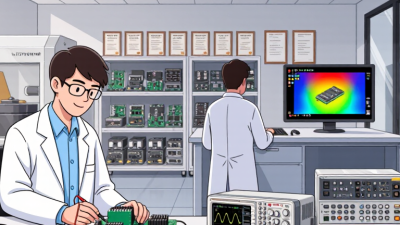
Choosing reliable China DC-DC Converter Modules suppliers requires more than comparing online prices. A module may look identical in photographs, yet differ greatly in efficiency, isolation, thermal control, and long-term stability. Engineers should examine input voltage ranges, rated output current, ripple, switching frequency, protection functions, and derating curves. Small details matter. A crowded test bench often reveals more than a polished brochure. Power-conversion author Christophe Basso offers a useful principle: “A converter must be understood across operating conditions, not only at nominal load.” This idea applies directly to supplier evaluation. Request complete datasheets, test reports, sample measurements, and failure-rate information. Check whether the supplier explains results clearly. Vague answers deserve attention. A practical assessment should include factory capability, component traceability, quality systems, and engineering support. Ask how the supplier manages incoming inspection and final testing. Request photographs or video evidence of automated production, thermal testing, and aging equipment. If possible, test samples at low input voltage, peak load, and elevated ambient temperature. Do not trust one successful sample. Certification can support confidence, but it does not replace independent verification. Confirm applicable safety and electromagnetic compatibility requirements for your target market. Review warranty terms, minimum order quantities, lead times, and replacement policies. These commercial points can disrupt projects unexpectedly. The evaluation process is not perfect. Supplier websites may be incomplete, and translated specifications may contain errors. That is why written clarification, repeat testing, and documented communication remain essential. The best China supplier is not always the cheapest. It is the partner that delivers consistent DC-DC Converter Modules, explains limitations honestly, and supports improvement after delivery.
Read more »
Amelia By:Amelia - October 11, 2026
Why Choose AC DC Converter Modules for Global Sourcing?

Why Choose AC DC Converter Modules for Global Sourcing?

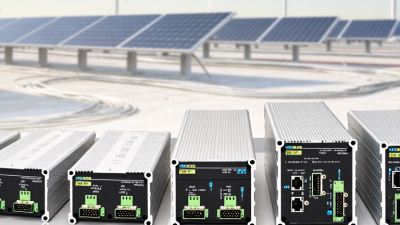
Global electronics demand is becoming more distributed, while electricity use continues rising across industrial and digital infrastructure. The International Energy Agency’s Electricity 2024 report forecasts global electricity demand growth of about 4% in both 2024 and 2025. This expansion increases pressure on equipment designers to source safe, efficient, and adaptable power components. AC-DC Converter Modules offer a practical response. They convert mains electricity into regulated direct current for control boards, sensors, communication equipment, and factory systems. The engineering value is clear. Standard modules can shorten design cycles and simplify international procurement. They may also reduce repeated safety testing when suppliers provide credible documentation. However, this is not automatically cheaper. A module selected only by price may create heat, noise, or certification problems later. Experienced buyers examine efficiency curves, standby consumption, isolation ratings, creepage distances, EMC performance, and operation at 50°C or higher. Those details matter inside a sealed cabinet with limited airflow. The U.S. Department of Energy’s Energy Conservation Standards support tighter efficiency expectations for external power supplies, reinforcing the need for measured performance rather than attractive claims. Global sourcing also benefits from qualified second-source planning. IEC 62368-1 alignment, traceable test reports, stable component availability, and supplier audits improve purchasing reliability. Yet no report replaces physical validation. Samples can pass in a laboratory and behave differently during a dusty production shift. That possibility deserves attention. Choosing AC-DC Converter Modules should therefore combine recognized standards, independent data, engineering trials, and supplier experience. The best decision is rarely the fastest quotation; it is the power solution that remains safe, efficient, and serviceable across markets.
Read more »
Ethan Caldwell By:Ethan Caldwell - October 6, 2026
Why Choose Modular Power Supplies for Global Sourcing?

Why Choose Modular Power Supplies for Global Sourcing?

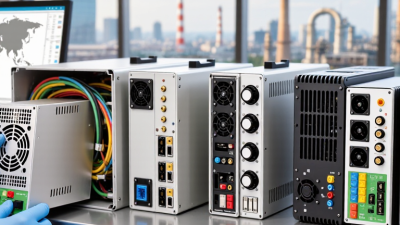
Why Choose Modular Power Supplies for Global Sourcing? Global sourcing is no longer only a price comparison. It is a test of continuity, engineering judgment, and supplier discipline. Modular Power Supplies can help manufacturers adapt one platform across several markets. A single configurable design may support different output voltages, connectors, cooling methods, and enclosure sizes. That flexibility matters when product demand changes suddenly. Patrizio Vinciarelli, founder of Vicor and a recognized power electronics expert, said, “Power is the currency of the digital age.” His observation remains relevant for equipment makers managing data centers, industrial controls, medical devices, and communication systems. A modular architecture can simplify replacement planning. It may also reduce redesign work when regional requirements differ. Fewer custom assemblies can mean clearer documentation and easier technician training. But modular does not automatically mean better. That assumption deserves examination. Engineers still need to verify efficiency, thermal performance, electromagnetic compatibility, safety certifications, and long-term availability. A module that fits a 24-volt cabinet may struggle inside a hotter enclosure. A low purchase price may hide connector changes, testing costs, or delayed approvals. Global buyers should inspect factory quality systems, sample consistency, traceability, and technical support before signing contracts. The practical question is simple: can the supplier deliver the same electrical behavior across locations and production batches? Site audits, pilot runs, and lifecycle reviews provide stronger evidence than brochures. Modular Power Supplies offer valuable sourcing flexibility, but only when design discipline supports it. Convenience helps. Verification decides.
Read more »
Vivienne Hartwood By:Vivienne Hartwood - October 1, 2026
2026 Best Railway DC-DC Converters for Buyers

2026 Best Railway DC-DC Converters for Buyers

Railway DC-DC Converters help keep control electronics, communications, sensors, and passenger systems supplied when vehicle power conditions vary. For buyers, the choice is not just about output voltage. Input range, isolation, efficiency, thermal limits, vibration tolerance, and service access all affect performance in real installations. A converter may look suitable on a bench, yet behave differently beside a traction system or inside a crowded cabinet. Details matter. The market context is growing. UNIFE’s World Rail Market Study 2024 estimates the global rail supply market averaged €201.8 billion annually from 2021 to 2023, and forecasts average yearly growth of 3% from 2024 to 2029. This figure covers the wider rail supply industry, not converters alone, but it signals continuing investment in rail equipment. Buyers still need to assess each product against the vehicle and operating environment. Check the datasheet, then ask how testing reflects actual temperature, vibration, and electrical conditions. A neat specification table cannot answer every question. That is easy to overlook. This guide compares Railway DC-DC Converters for 2026 with procurement decisions in mind: electrical fit, protection features, mounting, documentation, and supplier support. It also distinguishes published specifications from claims that need verification. The best choice is not automatically the most powerful or compact. A little caution helps. No shortlist can replace engineering review, but clear criteria can make that review more practical.
Read more »
Ethan Caldwell By:Ethan Caldwell - September 26, 2026
What Are Medical Grade Power Supplies?

What Are Medical Grade Power Supplies?

Medical Grade Power Supplies are more than compact boxes that convert mains electricity into stable output. They support equipment used beside patients, clinicians, and sensitive diagnostic systems. A failure may appear small: a flickering monitor, a delayed alarm, or a stalled infusion controller. The consequences can be serious. This is why designers examine isolation, leakage current, electromagnetic compatibility, thermal behavior, and fault protection together. Patient-safety expert James Reason wrote, “We cannot change the human condition, but we can change the conditions under which humans work.” His principle applies directly to Medical Grade Power Supplies. A dependable supply creates safer conditions by limiting electrical hazards and reducing avoidable equipment interruptions. It also helps manufacturers meet demanding medical-device requirements, including those associated with IEC 60601-1. Compliance, however, should not be treated as a magic shield. Testing cannot replace careful system design. This article explores what makes a power supply medical grade, from reinforced insulation to controlled touch current. It considers hospital beds, imaging rooms, laboratory instruments, and portable devices. Each application creates different pressure points. A supply that performs well in a quiet laboratory may behave differently near electrosurgical equipment. That detail is easy to overlook. There is no perfect component. Readers should also question attractive specifications. High efficiency does not automatically mean low risk. Small size can increase heat density. Strong isolation may affect cost and performance. Understanding these compromises helps engineers, purchasing teams, and healthcare manufacturers select Medical Grade Power Supplies with greater confidence, evidence, and practical judgment.
Read more »
Amelia By:Amelia - September 20, 2026
China Top EV Charging Station Power Converters Manufacturers

China Top EV Charging Station Power Converters Manufacturers

China has become a major production base for EV Charging Station Power Converters. Its manufacturers serve charging networks, fleet operators, and equipment integrators worldwide. Their product ranges include AC-DC modules, DC-DC converters, isolated power supplies, and high-power charging units. This article examines leading Chinese manufacturers through practical evaluation criteria. These include conversion efficiency, thermal control, input stability, output accuracy, protection functions, and communication compatibility. Factory experience matters, especially when converters operate continuously in hot parking areas or enclosed charging cabinets. A reliable supplier should provide test reports, traceable quality procedures, and clear warranty terms. It should also explain performance under voltage fluctuations, dust, humidity, and repeated load changes. Real installation details reveal more than attractive brochures. For example, a converter may need to maintain stable output beside cooling fans, contactors, and battery management systems. Engineers should review electromagnetic compatibility, insulation strength, surge protection, and maintenance access. Certifications are important, but buyers must verify their scope and validity for the target market. A certificate alone proves little. No supplier is perfect. Some manufacturers offer excellent prices but limited after-sales support. Others have strong engineering teams but longer delivery cycles. Public rankings can also mislead when testing methods remain unclear. Careful comparison is necessary. This guide highlights manufacturers with relevant capabilities, documented experience, and practical export support. It also recognizes remaining uncertainties, including component sourcing and long-term field performance. Better questions produce better purchasing decisions.
Read more »
Ethan Caldwell By:Ethan Caldwell - September 20, 2026
What Are the 2026 Top DIN Rail AC DC Converter Types?

What Are the 2026 Top DIN Rail AC DC Converter Types?

DIN Rail AC-DC Converters are becoming a critical link between facility power and compact industrial electronics. In 2026, buyers will likely compare more than output voltage and price. They will examine efficiency, thermal behavior, redundancy, communication, and installation space. A converter mounted beside a PLC may face heat, vibration, dust, and unstable loads every day. Small differences can affect uptime. Industry research supports this broader view. MarketsandMarkets’ Industrial Power Supply Market reports identify factory automation, renewable energy, and smart infrastructure as major demand drivers. Grand View Research also highlights rising investment in industrial automation and distributed control equipment. These trends support stronger demand for compact, efficient, and digitally monitored power supplies. However, market forecasts do not guarantee one universal winner. Cabinet temperature and load patterns still matter. The leading 2026 types may include single-phase compact units, three-phase high-power converters, ultra-slim models, redundant power systems, and intelligent units with DC-OK contacts or network monitoring. Battery-backed and energy-storage applications may also increase interest in specialized DC power architectures. Safety and electromagnetic compatibility remain essential. Designers should verify relevant IEC and EN requirements, including IEC 61000-6-2 for industrial immunity and applicable equipment safety standards. Efficiency matters. So does recovery after a short circuit. A crowded control cabinet exposes weak thermal designs quickly. This article compares the most practical DIN Rail AC-DC Converters for 2026, while recognizing an uncomfortable point: the “top” type depends on the application, not the marketing label.
Read more »
Amelia By:Amelia - September 20, 2026