0%

Choosing reliable China DC-DC Converter Modules suppliers requires more than comparing online prices. A module may look identical in photographs, yet differ greatly in efficiency, isolation, thermal control, and long-term stability. Engineers should examine input voltage ranges, rated output current, ripple, switching frequency, protection functions, and derating curves. Small details matter. A crowded test bench often reveals more than a polished brochure.

Power-conversion author Christophe Basso offers a useful principle: “A converter must be understood across operating conditions, not only at nominal load.” This idea applies directly to supplier evaluation. Request complete datasheets, test reports, sample measurements, and failure-rate information. Check whether the supplier explains results clearly. Vague answers deserve attention.

A practical assessment should include factory capability, component traceability, quality systems, and engineering support. Ask how the supplier manages incoming inspection and final testing. Request photographs or video evidence of automated production, thermal testing, and aging equipment. If possible, test samples at low input voltage, peak load, and elevated ambient temperature. Do not trust one successful sample.

Certification can support confidence, but it does not replace independent verification. Confirm applicable safety and electromagnetic compatibility requirements for your target market. Review warranty terms, minimum order quantities, lead times, and replacement policies. These commercial points can disrupt projects unexpectedly.

The evaluation process is not perfect. Supplier websites may be incomplete, and translated specifications may contain errors. That is why written clarification, repeat testing, and documented communication remain essential. The best China supplier is not always the cheapest. It is the partner that delivers consistent DC-DC Converter Modules, explains limitations honestly, and supports improvement after delivery.
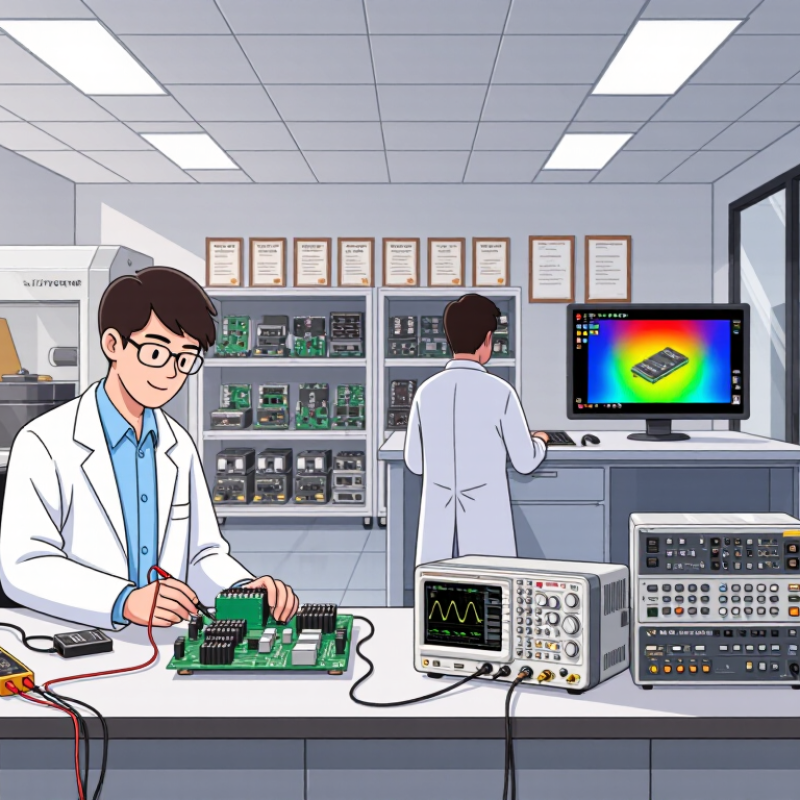
How to Choose China Top DC DC Converter Modules Suppliers?

Define Your DC-DC Converter Module Requirements

Before comparing China’s top DC-DC converter module suppliers, define the electrical target precisely. Record the input range, nominal voltage, output voltage, load current, power rating, isolation requirement, and allowable ripple. A 24 V rail with a 10% fluctuation is not equivalent to a stable 24 V industrial source. State startup behavior, transient loads, reverse polarity protection, and required operating hours. Small details matter.

Efficiency deserves careful attention. The IEA’s Energy and AI report estimates that data-center electricity consumption reached about 415 TWh in 2024 and may exceed 945 TWh by 2030. Even a one-percent efficiency loss creates additional heat and operating cost. Request efficiency curves at 25%, 50%, and 100% load, not only the best laboratory value. Check thermal performance inside the actual enclosure. A module rated for 85°C may perform differently beside a hot processor.

Define mechanical and compliance requirements before requesting quotations. Specify dimensions, pin layout, cooling method, altitude, vibration exposure, isolation voltage, and applicable safety standards. Ask suppliers for test reports, traceability records, aging data, and production consistency evidence. The power electronics market continues expanding, but market growth does not guarantee suitable engineering support. I would also test samples under worst-case voltage and temperature. That step is often skipped. It should not be. Reconsider optimistic assumptions, especially when a supplier provides only typical values rather than guaranteed limits.

Compare China Supplier Certifications and Product Quality

How to Choose China Top DC DC Converter Modules Suppliers?

When comparing China suppliers, treat certifications as evidence, not a purchasing shortcut. Request current copies and verify the certificate number, factory address, scope, and issuing body. ISO 9001 shows a quality management system, but it does not guarantee every converter performs consistently. Depending on your market, check relevant CE, RoHS, REACH, or safety compliance documents. The exact requirements may differ by application and destination.

Ask suppliers for test reports covering efficiency, output ripple, load regulation, isolation voltage, and thermal performance. Reliable factories should explain their testing equipment and calibration schedule clearly. Request sample units from a normal production batch, not specially selected prototypes. Test them under startup, overload, vibration, and temperature changes. Small details matter.

Look for traceability. Can the supplier identify component lots, inspection records, and production dates? Can engineers explain failure analysis without vague promises? A factory with experienced technical staff usually provides clearer answers and faster corrective actions. Still, quality claims can be incomplete. A certificate may be genuine yet outdated, limited in scope, or unrelated to the module you need. I would compare documents with physical test results, customer references, and a small pilot order. This takes longer, but it exposes weaknesses before volume purchasing. Supplier communication also deserves attention. Delayed answers today may become delayed support after installation.

How to Choose China’s Top DC-DC Converter Module Suppliers?

Compare suppliers by verifying certifications together with measurable product-quality evidence. The chart shows a practical buyer-side weighting framework, not company or brand data.

Recommended verification: Check ISO 9001 process certification, CE documentation, RoHS and REACH declarations, applicable IEC 62368-1 or UL 62368-1 safety evidence, EMC test reports such as EN 55032/CISPR 32, thermal performance, efficiency, ripple, isolation, traceability, and sample testing.

Evaluate Technical Expertise, Customization, and Production Capacity

Choosing a reliable China DC DC converter module supplier requires more than comparing catalog prices. Technical expertise should appear in practical details, such as topology selection, thermal design, isolation distance, and efficiency under changing loads. Ask for test data at low, nominal, and peak input voltages. Real evidence matters.

Customization reveals how deeply a supplier understands engineering. A capable team can adjust voltage ranges, pin layouts, protection thresholds, and enclosure dimensions without weakening reliability. Request design drawings, sample units, and a clear revision process. Check whether engineers explain trade-offs in plain language. Vague answers may signal limited experience. However, even experienced teams can overlook unusual operating conditions, so provide actual load profiles and installation environments.

Production capacity also needs careful verification. Review monthly output, automated inspection steps, aging-test duration, and component traceability. Visit the factory when possible, or request recent process records and sample inspection reports. A supplier may produce large volumes, yet struggle with small customized batches. That gap matters. Confirm lead times for prototypes, pilot runs, and regular orders. Ask how defects are isolated before shipment and how corrective actions are documented. A stable supplier should support engineering changes without disrupting production, though promises alone are not proof.

Check Pricing, Lead Times, Warranty, and After-Sales Support

Choosing China Top DC DC Converter Modules Suppliers requires more than comparing the lowest quotation. Ask for a complete price breakdown, including samples, tooling, packaging, testing, and shipping. A low unit price can hide expensive engineering changes later. Compare equivalent specifications, such as input range, output stability, isolation, efficiency, and operating temperature. Request a realistic lead time for samples and mass production. Also confirm whether critical components are stocked or ordered after payment. Delays often begin with unclear forecasts.

Warranty terms should state the coverage period, failure conditions, inspection process, and replacement responsibilities. A reliable supplier provides datasheets, test records, traceability information, and clear quality procedures. After-sales support matters when a converter fails inside a control cabinet. Ask how quickly engineers respond, whether remote troubleshooting is available, and who pays return freight. A two-year warranty sounds strong, but vague exclusions may weaken it. I would still test several samples under heat and load before approving production.

Tips: Use a written comparison sheet. Record prices, lead times, warranty limits, response hours, and spare-part policies. Request a small pilot order before committing to a large volume. Keep technical communication precise, especially for protection functions and connector details. The cheapest option may not be the safest choice. Mistakes happen, even with experienced teams. Recheck every assumption before signing.

Select the Best Supplier Through Samples and Factory Verification

Choosing China’s Top DC-DC Converter Module Suppliers Through Samples and Factory Verification

A supplier’s sample reveals more than a product page. Request several modules from the same production batch. Check output voltage, load regulation, ripple, efficiency, and startup behavior under real operating conditions. Use your intended input range, not only the nominal voltage. Measure temperature at the casing and key components after continuous operation. Small details matter. Loose terminals, unclear labels, or uneven soldering deserve questions.

Factory verification adds evidence behind the sample. Ask for a live production-line inspection or an independent audit. Review incoming material controls, calibration records, burn-in procedures, and final inspection reports. Confirm whether the factory controls core assembly processes or outsources them. Traceability should connect each module to a batch, test record, and shipment date. A capable supplier should explain failures without avoiding uncomfortable details.

Do not rely on one impressive sample. Test multiple units and request samples from a later batch. Compare results. Our first checklist was too short; it missed noise changes during rapid load transitions. That mistake showed why engineering review and purchasing review should work together. Also examine packaging, documentation, response speed, and corrective-action records. A supplier that welcomes technical questions is usually easier to manage when field problems appear. Still, verification has limits. Factory visits can show a controlled day, not every future shipment. Include clear acceptance criteria and ongoing batch inspections in the supply agreement.

FAQS

What electrical details should I define before choosing a DC-DC converter module?

Record input range, nominal voltage, output voltage, load current, power rating, and isolation needs. Include allowable ripple and startup behavior. Small details matter. Also specify reverse polarity protection, transient loads, and expected operating hours.

Why should I examine efficiency at different load levels?

Request efficiency data at 25%, 50%, and 100% load. A peak laboratory value may not represent normal operation. One percent of lost efficiency creates more heat and operating cost. Test the module inside its actual enclosure.

How can I evaluate thermal performance properly?

Measure casing and key component temperatures after continuous operation. Test low, nominal, and peak input voltages. A module rated for high temperature may behave differently beside a hot processor. Our assumptions may still be too optimistic.

What mechanical and compliance details should I provide?

Specify dimensions, pin layout, cooling method, altitude, vibration exposure, and isolation voltage. Identify applicable safety and performance standards. Request test reports, aging data, calibration records, and traceability evidence. Clear requirements reduce later changes.

How can I judge a supplier’s engineering capability?

Ask about topology selection, thermal design, isolation distance, and changing-load efficiency. Request design drawings, sample units, and a documented revision process. Strong engineers explain trade-offs in plain language. Vague answers deserve caution.

Can a supplier support customized converter modules?

Ask whether voltage ranges, pin layouts, protection thresholds, or enclosure dimensions can be adjusted. Check that customization does not weaken reliability. Provide actual load profiles and installation conditions. Even experienced teams can miss unusual conditions.

How should I verify production capacity and quality controls?

Review monthly output, automated inspection, aging-test duration, and component traceability. Confirm lead times for prototypes, pilot batches, and regular orders. Ask how defects are isolated before shipment. Promises are not proof.

What should I test when reviewing product samples?

Request several modules from the same production batch. Measure output voltage, load regulation, ripple, efficiency, and startup behavior. Use the intended input range, not only the nominal voltage. Test more than one.

What does factory verification reveal?

Review incoming material controls, calibration records, burn-in procedures, and final inspection reports. Confirm whether core assembly processes are managed internally or externally. Trace each module to a batch, test record, and shipment date. A factory visit shows one controlled day, not every future shipment.

How can I avoid missing problems during supplier evaluation?

Compare samples from different production batches and record every result. Include packaging, documentation, response speed, and corrective-action records. Our initial checklist missed noise changes during rapid load transitions. Add clear acceptance criteria and ongoing batch inspections.

Conclusion

Choosing the right China-based supplier for DC-DC Converter Modules starts with clearly defining your technical requirements, including input and output voltage ranges, power ratings, efficiency, operating temperature, size, isolation, and application environment. Once these needs are established, compare suppliers by reviewing certifications, quality-control procedures, testing standards, material traceability, and production consistency. A reliable supplier should also demonstrate strong engineering expertise, flexible customization capabilities, and sufficient production capacity to support both prototype development and large-volume orders.

Before making a final decision, evaluate total cost rather than unit price alone. Consider lead times, minimum order quantities, warranty terms, communication efficiency, and after-sales support. Request samples to verify electrical performance, thermal behavior, durability, and compatibility with your system. Where possible, conduct a factory audit or use an independent verification process to assess manufacturing equipment, inspection procedures, and management systems. Combining document reviews, technical discussions, sample testing, and factory verification will help you select a dependable supplier with the quality, responsiveness, and long-term stability required for your project.


Amelia

Amelia

Amelia is a dedicated marketing professional with a strong understanding of the company’s products, customers, and industry landscape. With a background in strategic communication, market research, and content development, she transforms complex product information into clear, practical, and......