High-efficiency DC-DC buck regulators, isolated step-down converters, and 3-phase transformers engineered for rigorous industrial, mobility, and medical environments in Pakistan.
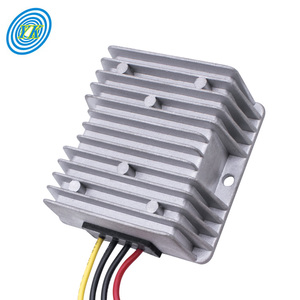
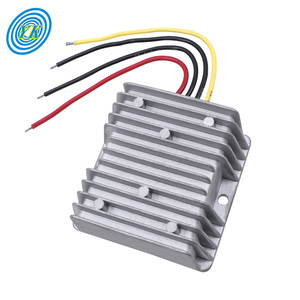
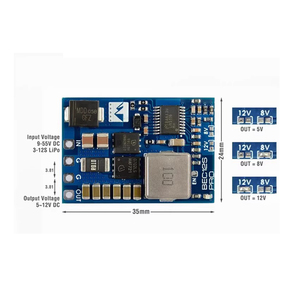
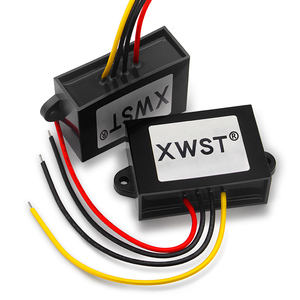
As Pakistan accelerates its technological modernization across industrial automation, textile processing, agricultural solar electrification, and light electric vehicle (LEV) assembly, the demand for high-reliability step-down converters and buck power transformers has experienced unprecedented growth. Step-down power conversion—ranging from high-power 3-phase AC dry-type transformers (440V to 220V/120V) down to high-density board-mount DC-DC buck regulators (72V, 48V, or 24V down to 12V, 5V, and 3.3V DC)—forms the foundational power backbone for Pakistan's evolving infrastructure.
Operating electrical infrastructure in South Asia presents unique engineering hurdles: severe utility grid voltage fluctuations, aggressive ambient operating temperatures reaching 45°C to 50°C in Sindh and Punjab, atmospheric humidity, and airborne textile dust. Consequently, procurement officers and electrical design engineers cannot rely on commercial-grade off-the-shelf power converters. They require industrial-grade step-down modules backed by rigorous international certifications (IEC/EN/UL 62368-1, CE, RoHS) and engineered with high thermal margin design.
Top-tier manufacturing facilities and global export hubs serving the Pakistani market generally fall into two strategic categories: direct domestic manufacturing plants specializing in heavy power distribution transformers (such as dry-type 3-phase units up to 45KVA) and internationally certified OEM manufacturers providing precision PCB-mount and encapsulated DC-DC buck converters. When evaluating supplier capability, top engineering audit teams focus on five fundamental benchmark metrics:
The matrix below compares key technical parameters across primary step-down power topologies currently imported into or manufactured within major industrial regions of Pakistan (Karachi, Lahore, Faisalabad, Sialkot, and Gujranwala).
| Converter Category | Typical Input Range | Output Characteristics | Peak Efficiency | Environmental Ingress | Primary Local Application |
|---|---|---|---|---|---|
| Encapsulated Automotive DC Buck | 48V / 60V / 72V DC (30V–90V range) | 12V DC @ 5A – 10A regulated | 94% – 96% | IP67 / IP68 Die-cast Aluminum | Electric Motorcycles, E-Rickshaws, Golf Carts |
| Wide-Input Ultra-Range Converter | 5V to 120V DC Continuous | Multi-tap (5V, 12V, 24V, 48V) | 92% – 95% | Open Frame / Metal Chassis | Solar DC Microgrids, Telecom Base Stations |
| Point-of-Load (PoL) Non-Isolated Buck | 9V to 60V DC | 3.3V, 5V, 9V, 12V @ 1A–3A | 95% – 97% | SIP-3 / SMD Encapsulated | Industrial PLC Cards, Embedded Controllers |
| Medical Grade Isolation Converter | 18V to 36V DC (24V Nominal) | 12V DC @ 15A (480W Peak) | 94% | IP68 Full Epoxy Resin | Diagnostic Imaging, Patient Monitors, ICUs |
| 3-Phase Industrial Dry Transformer | 380V / 415V / 440V AC 3-Phase | 120V / 220V / 240V AC 3-Phase | 97% – 98.5% | NEMA 3R / IP54 Enclosure | Textile Looms, CNC Heavy Machinery |
Combining global engineering standards with deep localized technical support for critical OEM power programs.
Every step-down series is certified or designed to satisfy IEC/EN/UL 62368-1 for information technology, IEC 60601-1 3rd Edition (2xMOPP) for medical environments, and EN 50155 for railway and transport electronics.
Built with flame-retardant UL94-V0 encapsulation resins and heavy-gauge ceramic capacitors to resist extreme vibration, thermal shock (-40°C to +85°C operating envelope), and high ambient humidity.
Instead of costly full-custom developments, standard step-down platforms can be modified quickly: custom pinouts, adjusted output trims, conformal coating, custom wire harnesses, and specific labeling.
Understanding the exact field conditions where step-down power components are deployed is essential for choosing the right topology. Below are four key deployment scenarios representative of Pakistan’s regional industrial ecosystem.
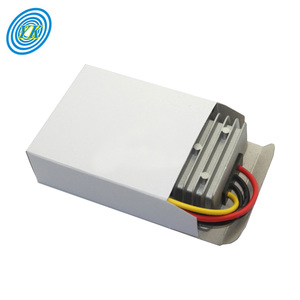
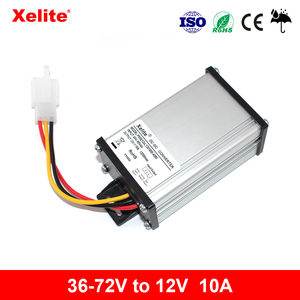
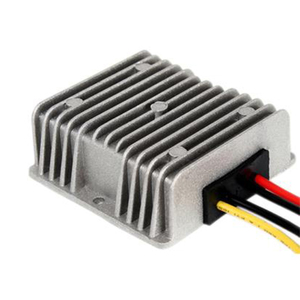
The rapid transition from gasoline 70cc motorbikes to battery-electric two-wheelers and commercial 3-wheel E-rickshaws across Punjab has created massive demand for buck converters. A standard e-bike battery backplane runs at 48V, 60V, or 72V nominal DC. However, secondary systems—including LED headlamps, digital dashboard clusters, horns, and GPS tracking units—operate strictly on 12V DC. Converters like the 48V/60V/72V to 12V 5A/10A IP67 Encapsulated Module are mounted under chassis frames where they endure road dust, splash water, and high ambient temperatures, converting high battery pack voltage into smooth, regulated 12V power without overheating.
In rural districts where grid power is intermittent, solar PV arrays running high DC voltages (up to 120V DC) power agricultural pumps and localized storage banks. Step-down modules with ultra-wide input voltage ranges (5V to 120V DC) act as primary auxiliary power supplies. They step down raw, un-regulated PV panel output to charge auxiliary 12V/24V control logic batteries, power IoT irrigation controllers, and run sensor telemetry nodes reliably under direct sun exposure.
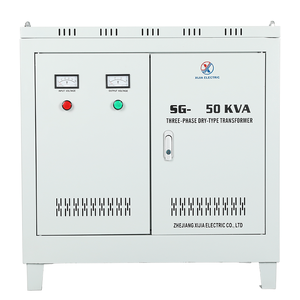
Faisalabad’s massive textile manufacturing units rely on imported automated spinning, weaving, and dyeing equipment designed for international standard voltages. To interface 440V or 380V 3-phase utility connections with 220V or 120V operational electronics, plants employ high-capacity Dry-Type Three Phase Step Down Power Transformers (10KVA to 45KVA). The dry-type, air-cooled design eliminates oil-leakage fire hazards while providing galvanic isolation against severe harmonics created by variable frequency drives (VFDs).
Healthcare facilities across Pakistan require uninterruptible, low-noise diagnostic systems. Compact DC-DC converters like the WH-C241240 (24V to 12V 15A 480W IP68 Module) are designed into patient monitoring carts, mobile ventilators, and diagnostic equipment. They guarantee complete electrical isolation (2xMOPP standards), low leakage current, and zero audible noise, protecting patients and sensitive biological monitoring probes from ground fault risks.
Answers to common B2B sourcing, custom regulations, thermal management, and electrical compatibility questions.
DC-DC step-down converters and electronic buck regulators typically fall under HS Code 8504.40.90 (Other Static Converters) or 8504.40.20 (Uninterruptible Power Supplies / Regulated Power Supplies). Import tariffs set by the Federal Board of Revenue (FBR) generally include Customs Duty (ranging between 3% to 11% depending on exact rating), Additional Customs Duty (ACD), Sales Tax (18%), and Income Tax Withholding. Utilizing certified factories with full Certificate of Origin (COO) documentation helps streamline clearance at Karachi Port (KAPT / QICT).
In hot regions such as Multan or Sukkur, internal enclosure ambient temperatures often reach +60°C. To ensure reliability: (1) Check the manufacturer's thermal derating curve in the datasheet; typical converters begin derating output power linearly above +50°C at 2.5% per °C. (2) Select a converter rated for at least 25% to 30% higher current than your nominal load requirement. (3) Mount the die-cast metal housing directly to the main equipment frame using thermal interface pad materials (TIM) to maximize conduction cooling.
Non-isolated buck converters share a common ground (negative terminal) between input battery and 12V output. They offer higher power density, higher efficiency (>95%), and lower cost—making them ideal for standard E-bike lighting and horn circuits. Isolated converters use an internal high-frequency transformer to separate input and output ground completely. Isolation is necessary when battery voltages exceed 72V to prevent chassis shock hazards, or when integrating sensitive digital telemetry displays that could be damaged by motor back-EMF spikes.
Heavy AC-DC power supplies and 3-phase transformers must be specified with wide input tolerance ranges. Modern switching AC-DC converters feature universal AC input ranges from 85VAC to 305VAC, operating seamlessly even during severe brownout drops down to 140VAC without dropping output voltage regulation. For heavy 3-phase machinery, dry-type transformers equipped with primary multi-tap terminals (+/- 5%, +/- 10%) allow engineers to adjust secondary output voltage to match local feeder conditions.
For Pakistani commercial importers and OEMs, transactions are typically processed via Commercial Letter of Credit (L/C at sight) or advance Telegraphic Transfer (T/T) under State Bank of Pakistan (SBP) foreign exchange guidelines. Leading exporters provide full engineering qualification packages: CB Test Certificates, CE Declarations, RoHS / REACH Compliance Statements, Material Safety Data Sheets (MSDS), and detailed mechanical 3D CAD step files for fast PCB layout integration.
Our senior power application engineers are available to review your schematic designs, thermal calculations, and custom voltage step-down requirements.