Engineered with dual galvanic isolation, ultra-wide input voltage ranges (up to 900V DC), and real-time MPPT tracking for maximum yield across Central European ambient profiles.
Analyzing high-density urban solar integration, compliance under VDE-AR-N 4105, and thermal efficiency management in Central European climate zones.
Berlin’s ambitious Masterplan Solarcity targets generating 25% of the city’s electricity via solar photovoltaics by 2035. Achieving this requires solar converters capable of operating seamlessly across multi-family housing complexes, industrial parks in Spandau and Marzahn, and municipal historic roofs. In high-density urban environments, solar converter factories must supply hardware featuring ultra-low electromagnetic interference (EMI) compliant with EN 61000-6-3, preventing disruptions to local communication networks and sensitive hospital power systems.
Connecting solar power systems to the Berlin distribution grid (operated by Stromnetz Berlin) demands strict compliance with low-voltage power generation rules (VDE-AR-N 4105). Direct-current to alternating-current (DC-AC) converters must feature integrated Frequency-Dependent Active Power Reduction (P(f)), Reactive Power Control (Q(U)), and anti-islanding protection (NS Protection). Our factory-calibrated solar converters incorporate sub-millisecond grid feedback loops, ensuring total harmonic distortion (THD) remains strictly under 3% while accommodating sudden voltage fluctuations.
Solar converters installed across the Berlin-Brandenburg region experience thermal operating profiles ranging from freezing winter ambient lows of -20°C to heatwave peak roof enclosure temperatures exceeding +60°C. Advanced solar converter topologies utilize silicon carbide (SiC) MOSFETs paired with dual-stage potted inductors. This architecture maintains a 99.9% MPPT tracking efficiency and prevents thermal derating even under intense continuous summer irradiation, extending module operational life past 20 years.
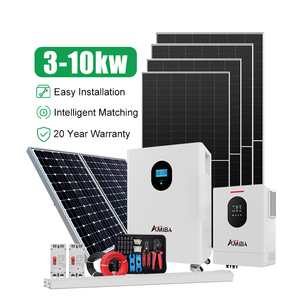
With Germany's shift toward decarbonized heating (Gebäudeenergiegesetz - GEG), modern Berlin real estate projects combine PV systems with heat pumps. Intelligent hybrid converters serve as the centralized energy dispatcher, prioritizing dynamic self-consumption and battery buffer management.
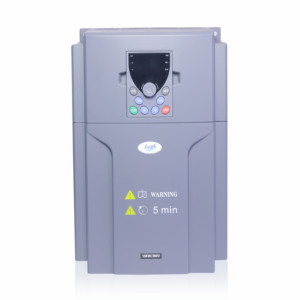
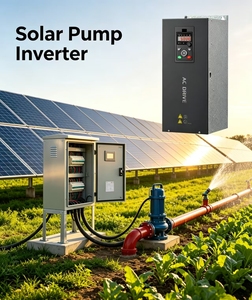
The agricultural flatlands surrounding Berlin in Brandenburg utilize solar-powered variable frequency drives (VFDs) to run 3-phase AC water pumps (350V-900V DC input range). These vector-controlled drives maximize flow rates without relying on diesel generators or costly rural grid extensions.
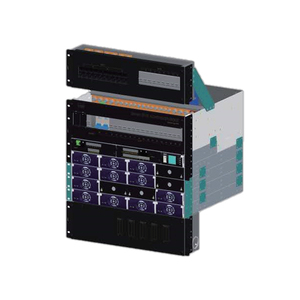
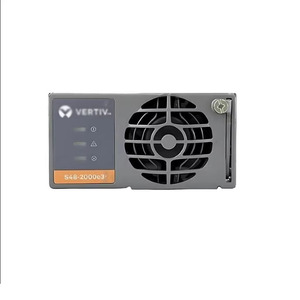
Berlin’s digital infrastructure demands uninterrupted DC power. Modular 48VDC solar converters (such as the S48-3000 series) integrate directly into existing telecom rectifier racks, allowing mobile network operators to offset grid energy costs via solar integration.
Key regulatory shifts, subsidy structures, and technological demands shaping power electronics procurement in Germany's capital region.
| Market Driver / Regulation | Local Policy Framework (Berlin / EU) | Technical Impact on Solar Converters | Supplier Opportunity |
|---|---|---|---|
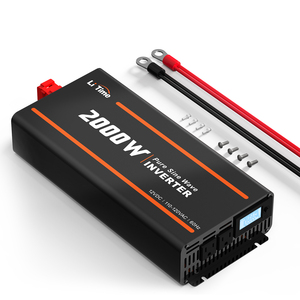
| Solarpaket I (EEG 2024 Reform) | Federal EEG legislation simplifying grid registration for solar installations & plug-in micro-inverters. | Demands high-efficiency dual-channel micro-inverters and compact 2000W hybrid pure sine wave converters. | Rapid deployment of off-the-shelf plug-and-play residential converters. |
| Berlin Roof PV Mandate | Mandatory PV installation on all new residential/commercial buildings and roof replacements over 50m². | Focus on high power density, compact board-mount modules, and low-profile enclosure designs for tight utility rooms. | OEM contracts with commercial roof integrators and housing associations (Gewobag, HOWOGE). |
| Balkonkraftwerk Expansion | Unlocking 800W feed-in limits for tenant balcony solar units across Berlin apartment blocks. | Requires fast dynamic response, integrated Wi-Fi monitoring modules, and IP67 weather-proof potting. | Wholesale supplying of modular micro-inverter frequency drives and chargers. |
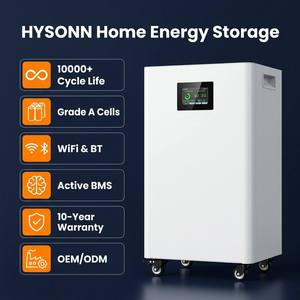
| Commercial Peak Shaving (BESS) | High peak-demand network charges enforced by Stromnetz Berlin for commercial consumers. | Shift toward multi-kilowatt (5kW to 20kW+) bidirectional hybrid storage converters with lithium BMS integration. | High-margin all-in-one energy storage system (ESS) distribution. |
Combining 20+ years of industrial power design with flexible modified-standard manufacturing programs tailored for German engineering requirements.
Our standard and custom power modules carry global safety clearances including IEC/EN/UL 62368-1, IEC 60601-1 3rd Edition (2xMOPP), EN 50155 railway readiness, and CE compliance for smooth European market entry.
Avoid long custom ground-up developments. We modify verified modular platforms—adjusting output voltage trims, pinouts, potting compounds, wire harnesses, and custom thermal heat sinks in weeks.
Every industrial solar converter module is built using premium 105°C-rated long-life capacitors and undergoes 100% full-load burn-in testing, backed by a comprehensive 5-year replacement warranty.
We work with authorized regional distributors and maintain managed safety buffer stocks across European hubs, ensuring short lead times and fast dispatch for Berlin engineering projects.
Addressing compliance, custom modifications, logistics, and technical specifications for commercial deployments.
Our grid-tied and hybrid solar converters are engineered and factory-tested against DIN VDE V 0124-100 certification protocols. They include pre-configured grid parameters specifically adjusted for 230V/400V 50Hz operation required by German distribution network operators (DNOs) like Stromnetz Berlin, featuring auto-disconnect NS protection, integrated surge protective devices (SPD Type II), and reactive power control.
Depending on the series, our industrial power converters feature reinforced isolation ratings from 1500V DC up to 6000V DC. This prevents high-voltage DC string transients from feeding back into sensitive AC control electronics or battery management systems (BMS), upholding strict IEC 62368-1 and EN 62109 safety clearances.
Yes. Over 60% of our OEM orders involve modified-standard solutions. Engineering modifications include custom pinouts, specialized heatsink geometries, conformal coating for humidity resistance (essential for outdoor IP65/IP67 junction boxes), adjusted output voltage trims, and custom wire harness terminations.
Standard catalogue evaluation units and sample quantities are dispatched within 24 to 48 hours from EU stock buffers. For mass OEM production orders, typical lead times range from 4 to 6 weeks, supported by continuous product-lifecycle management (PCN/EOL notifications) and long-term availability commitments.
Absolutely. Our 3-phase vector control solar frequency converters (supporting 350V to 900V DC wide solar input) feature built-in sensorless vector algorithms that automatically track peak sunlight to start submersed or surface pumps. They incorporate dry-run protection, tank full control, and automatic sleep/wake modes without requiring external PLC modules.
Need specialized DC-AC inverters, telecom solar retrofit kits, or commercial hybrid storage converters for your next project in Berlin or Europe? Speak directly with our power engineering team today.
Get a Quote