
Industry Whitepaper: The Evolution of Global Energy Storage Systems (BESS)
The global transition toward renewable power generation has accelerated the transformation of modern electrical grids. Battery Energy Storage Systems (BESS) have transitioned from auxiliary backup assets into critical, dispatchable power infrastructure. As utility grids face higher penetration of intermittent solar PV and wind generation, energy storage factories and exporters play a crucial role in providing grid stability, frequency regulation, and peak demand shaving solutions.
1. Future Procurement Trends in Utility and Commercial Energy Storage
Procurement strategies in the BESS sector are undergoing a seismic shift toward standardized, scalable, and high-energy-density architectural blocks. Engineering procurement managers and EPC contractors are prioritizing total cost of ownership (TCO) over initial capital expenditure. Key procurement vectors include:
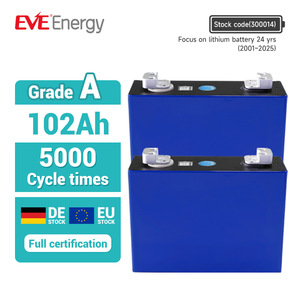
- Migration to Next-Generation Prismatic Cells (314Ah & 560Ah): While 280Ah cells dominated the industry for years, procurement contracts in 2025 and beyond are shifting toward 314Ah and ultra-large-format 560Ah prismatic Lithium Iron Phosphate (LiFePO4) cells. These cells increase volumetric energy density by 11% to 20% without expanding the physical footprint of standard 20ft containerized cabinets.
- High-Voltage DC System Architectures (1500V DC): Transitioning from legacy 1000V DC strings to 1500V DC topologies reduces balance-of-system (BOS) cabling costs, lowers copper losses, improves overall round-trip efficiency (RTE) by 1.5% to 2%, and allows higher power density per megawatt-hour (MWh) installation.
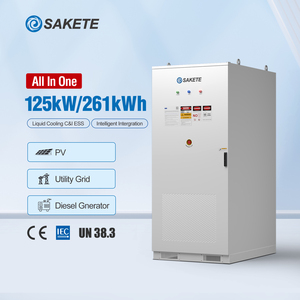
- Shift from Forced-Air to Liquid Cooling Systems: Liquid cooling has quickly become the mandatory specification for C&I cabinets and utility containers. By maintaining cell-to-cell temperature differentials within ≤2.5°C (compared to 5°C-8°C in air-cooled systems), liquid cooling extends battery cycle life by up to 20% and reduces auxiliary parasitic power consumption by over 30%.
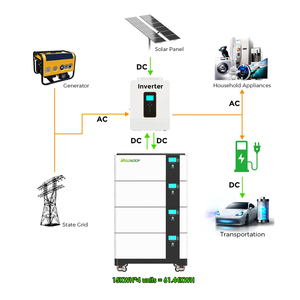
- Standardized OEM/ODM Modular PCS Integration: Turnkey procurement models favor integrated Power Conversion Subsystems (PCS) that support bi-directional power flow, seamless grid-forming (virtual synchronous generator) operation, and millisecond-level black-start transitions.
| System Architecture | Cell Technology | Cooling Topology | Volumetric Density | Expected Cycle Life | Target Application |
|---|---|---|---|---|---|
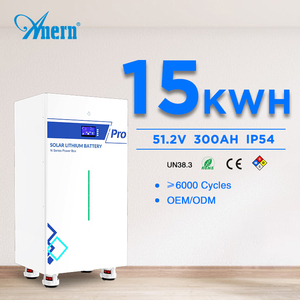
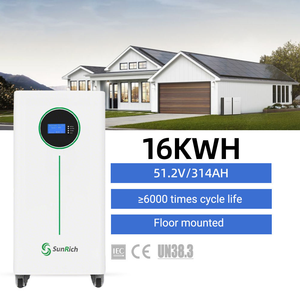
| Residential Wall/Rack | 100Ah / 314Ah LFP | Natural Air / Heat Sink | Medium (140 Wh/kg) | 6,000+ Cycles @ 80% DoD | Home Solar Backup, TOU Optimization |
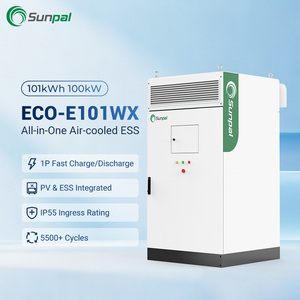
| C&I Outdoor Cabinet | 314Ah Prismatic LFP | Liquid Cooling (Glycol) | High (175 Wh/kg) | 8,000+ Cycles @ 80% DoD | Peak Shaving, EV Charging Support |
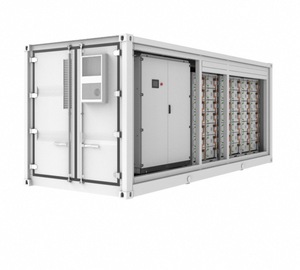
| Utility 20ft/40ft BESS | 314Ah / 560Ah LFP | Smart Liquid Cooling | Ultra-High (5 MWh / 20ft) | 10,000+ Cycles @ 70% EOL | Grid Frequency Regulation, Renewable Firming |
2. Key Technical Development Trends Shaping Next-Gen BESS Manufacturing
Factory-level advancements in electrochemical manufacturing, thermal runaway propagation prevention, and cloud-native battery management systems are defining the competitive landscape for tier-1 exporters:
A. Electrochemical Safety and Zero-Thermal-Propagation Design: Lithium Iron Phosphate (LiFePO4) remains the dominant chemistry due to its intrinsic thermal stability and olivine crystal structure, which resists oxygen release even at elevated temperatures (up to 500°C). Factory packaging now incorporates aerogel insulation pads between prismatic cells, micro-vent pressure relief valves, and localized liquid cooling plates to ensure zero thermal runaway propagation across adjacent cells.
B. AI-Driven Cloud BMS and Predictive Maintenance: Modern battery management systems have evolved from passive monitoring to AI-powered predictive diagnostics. By utilizing digital twin modeling, high-frequency internal resistance impedance spectroscopy, and edge analytics, next-generation BMS platforms can detect micro-short circuits and lithium plating phenomena weeks before a potential safety fault occurs.
C. All-in-One Containerized Microgrid Systems: For remote mining sites, construction projects, and agricultural infrastructure, containerized BESS solutions combining LiFePO4 battery racks, modular bi-directional PCS units, HVAC thermal management, isolators, and fire protection into a single ISO enclosure eliminate complex on-site engineering and reduce commissioning timelines by more than 60%.