Engineered for high power density, wide thermal limits (-40°C to +85°C), and full electromagnetic compatibility in severe operating environments.
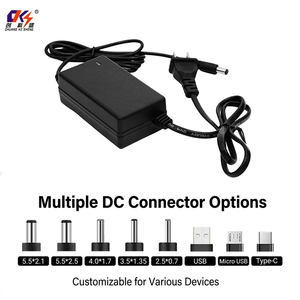
Regulated 12Volt 2000mA switching power supply featuring global US/EU/UK/AR plug compliance. Ideal for marine CCTV monitoring and onboard communications.
Get a Quote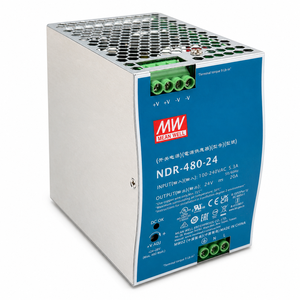
480W high-efficiency 24V 20A industrial DIN rail unit. Handles universal 110-230 VAC inputs with robust short-circuit, over-load, and over-voltage protections.
Get a Quote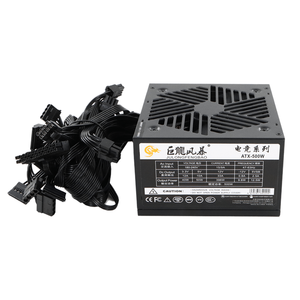
Full voltage Active PFC 80+ Standard Copper power supply with quiet 120mm cooling fan. Optimized for shipboard desktop servers and bridge automation workstations.
Get a Quote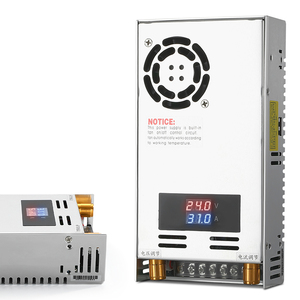
Precision wide-range adjustable DC output (0-12V, 24V, 48V, 60V, 110V up to 200V). Heavy-duty 2A to 50A performance for custom lab testing and marine systems.
Get a Quote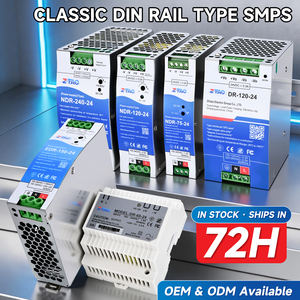
Modular DIN-rail mount SMPS available in 5V, 12V, 15V, 24V, and 48V configurations. Universal 100-240VAC input designed for tight control cabinet integration.
Get a Quote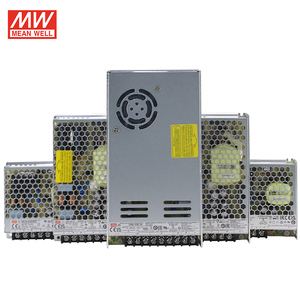
Heavy-duty metal-cased switching power supply delivering stable voltage (5V through 48V). Built-in EMI filter, low ripple noise, and active heat dissipation fan.
Get a Quote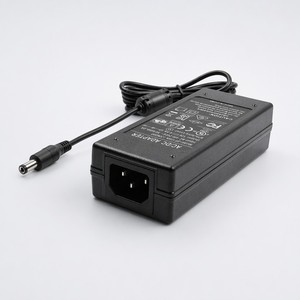
Versatile power adapters rated from 5V to 24V (1A through 10A). Certified for medical, IT, and commercial auxiliary marine equipment with low standby power.
Get a Quote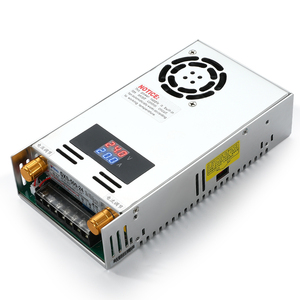
Precision digital DC power supply with 24V/48V adjustable transformers. Ideal for heavy-duty marine deck illumination, searchlights, and industrial LED arrays.
Get a QuoteNavigating the hostile conditions of saltwater corrosion, high ambient humidity, severe shock, and voltage surge demands power electronics designed to rigorous marine standards.
Our marine DC-DC and AC-DC power converters feature high isolation voltages up to 6000VDC / 3000VAC. Designed to conform with IEC 60945 and DNV GL standards, guaranteeing zero electromagnetic interference with sensitive bridge navigation, radar, and sonar systems.
Every module intended for marine deployment undergoes specialized conformal coating (acrylic or silicone resin) and hermetic potting. This safeguards delicate PCB components against tropical salt mist, 95% non-condensing humidity, and electrochemical corrosion.
Instead of incurring prohibitive NRE costs and long validation cycles for ground-up designs, our engineering team modifies certified power platforms. Adjust output trims, pinout geometries, wire harnesses, or thermal heat sinks in as little as 3 to 4 weeks.
A parametric comparison of standard industrial vs. marine-grade switching converters for vessel control systems, propulsion auxiliary units, and offshore platforms.
| Electrical Parameter | Standard Industrial Grade | Marine & Offshore OEM Grade | Technical Advantage & Gain |
|---|---|---|---|
| Galvanic Isolation Rating | 1500 VDC to 3000 VDC | 3000 VAC to 6000 VDC (Reinforced) | Prevents ground loops and protects microcontrollers from high-voltage DCbus transients. |
| Input Voltage Window | 2:1 Wide Range (85-264 VAC) | 4:1 to 12:1 Ultra-Wide (43-160 VDC / 85-305 VAC) | Tolerates severe line sag, battery discharge, and heavy generator load switching on ships. |
| Environmental Resistance | Standard PCB Solder Mask | MIL-I-46058C / IEC 60068-2-52 Salt Spray | Prevents dendritic growth, surface leakage currents, and salt-mist corrosion. |
| EMC / Immunity Standard | EN 55032 Class B | IEC 60945 / DNV GL Location Class A/B | Eliminates RF noise floor elevation in bridge radio, satellite receivers, and sonar systems. |
| Vibration & Shock Rating | 2G to 3G Constant | 5G Vibration / 30G Shock (IEC 60068-2-27) | Resists severe main-engine resonances, wave slam impact, and heavy machinery thrum. |
| Thermal Operating Range | -20°C to +60°C | -40°C to +85°C Full Load Derating | Guarantees continuous 24/7 mission-critical operation inside unventilated engine room lockers. |
Key technological transformations driving marine electrification, autonomous vessel power networks, and green shipping supply chains through 2030.
The transition from legacy Silicon MOSFETs to Silicon Carbide (SiC) and Gallium Nitride (GaN) semiconductors allows marine switching supplies to operate at double the frequency. This results in 96%+ efficiency ratings, reducing thermal heat dissipation by up to 40% and shrinking enclosure footprints by half.
Modern commercial vessels and autonomous offshore surface vehicles (USVs) require real-time health diagnostic metrics. Next-generation marine converters incorporate digital PMBus or CANbus interfaces to stream operational temperature, real-time current draw, ripple noise levels, and predictive failure alerts to the shipboard automation system.
Decarbonization initiatives are pushing maritime fleets toward high-voltage DC main bus architectures (e.g., 700VDC or 1000VDC). High-power isolated DC-DC converters are increasingly utilized to step down high DC bus energy to safe 24V DC auxiliary rails for steering controllers, emergency lighting, and sensor networks.
To reduce shipyard installation costs and minimize maintenance downtime, marine engineers are phasing out hardwired open-frame supplies in favor of hot-swappable DIN-rail power modules. Integrated active current-sharing features allow 1+1 and N+1 redundancy configurations directly on the rail.
Shipboard auxiliary DC lines often experience severe voltage dips during heavy electric winch or thruster engine startups. Advanced marine DC-DC power converters feature 4:1 to 12:1 input voltage ratios, ensuring continuous, uninterrupted output stability even under deep voltage drop conditions.
Global shipowners and shipyards now prioritize Total Cost of Ownership (TCO) over initial acquisition price. Sourcing converters with high Mean Time Between Failures (MTBF > 500,000 hours), ultra-low zero-load standby power consumption, and long 10-to-15 year component lifecycle guarantees dramatically cuts dockside maintenance costs.
Essential engineering and supply chain factors that procurement managers must audit when evaluating Chinese power converter manufacturers.
A legitimate marine power supplier must possess extensive in-house testing facilities. Ensure your supplier performs 100% full-load high-temperature burn-in tests, automatic optical inspection (AOI), thermal shock cycling (-40°C to +85°C), and surge immunity testing before shipment. Request complete test reports and CB certification files during initial vendor qualification.
Shipbuilding programs span multi-year procurement phases and require operational support for decades. Partner with Chinese suppliers who guarantee long-lifecycle component sourcing—utilizing top-tier Japanese capacitors (e.g., Rubycon, Nippon Chemi-Con) rated at 105°C—and offer formal Product Change Notifications (PCN) alongside Last Time Buy (LTB) guarantees.
Expert answers from our senior power electronics engineers regarding selection, compliance, and custom marine deployments.
Connect directly with our application engineers to request custom parameter evaluations, compliance documentation, or rapid evaluation samples for your shipyard program.
Get a Quote